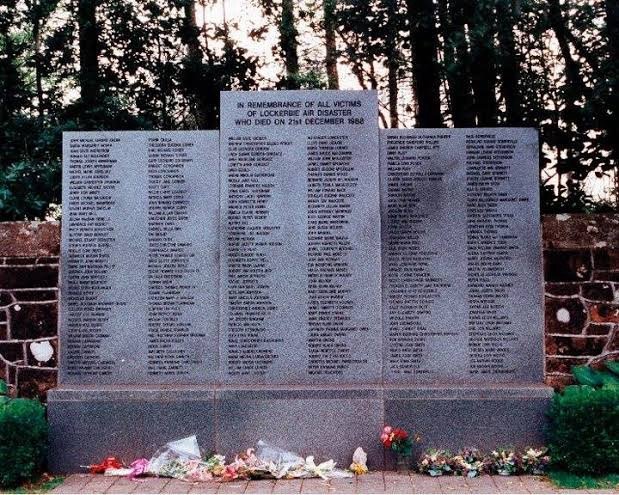
Pan Am Flight 103 Remains One of History’s Deadliest Terrorist Attacks
Nearly four decades after Pan Am Flight 103 was destroyed by a bomb over Lockerbie, Scotland, the tragedy continues to shape international aviation security and counterterrorism efforts. The attack on December 21, 1988, killed all 259 passengers and crew aboard the Boeing 747, along with 11 people on the ground, making it the deadliest terrorist attack in United Kingdom history.
The case remains active as U.S. prosecutors continue legal proceedings against a Libyan suspect accused of helping build the bomb used in the attack.
Latest Developments
The decades-long investigation entered a new phase after Libyan intelligence operative Abu Agila Mohammad Mas’ud Kheir Al-Marimi was taken into U.S. custody in 2022. He has pleaded not guilty and is scheduled to stand trial in Washington, D.C., in August 2026 on charges related to the bombing. Prosecutors allege he helped construct the explosive device concealed inside luggage loaded onto the aircraft.
The upcoming trial is expected to revisit forensic evidence, witness testimony, and intelligence gathered during one of the largest international criminal investigations ever conducted.
Background and Context
Pan Am Flight 103 departed London’s Heathrow Airport bound for New York City before exploding approximately 38 minutes into the flight over Lockerbie. Investigators determined the explosion was caused by a bomb hidden inside a radio packed in a suitcase that had been transferred through multiple airports before reaching the aircraft.
In 2001, Libyan intelligence officer Abdelbaset al-Megrahi was convicted of the bombing and sentenced to life in prison. Another accused Libyan official was acquitted. Libya later accepted responsibility for the actions of its officials and agreed to compensate victims’ families, though questions surrounding the attack have continued for years.
Impact
The Lockerbie bombing transformed global aviation security. Governments introduced stricter baggage screening, improved passenger screening procedures, and expanded international cooperation on terrorism investigations.
The tragedy also left a lasting emotional impact on victims’ families, many of whom have spent decades seeking accountability. The case continues to draw worldwide attention as legal proceedings move forward against another alleged participant.
What’s Next?
Attention is now focused on the upcoming U.S. trial, where prosecutors will present evidence against Abu Agila Mohammad Mas’ud Kheir Al-Marimi. The proceedings are expected to provide further insight into the planning and execution of the bombing while offering another opportunity for victims’ families to pursue justice.
FAQ
What happened to Pan Am Flight 103?
The aircraft exploded over Lockerbie, Scotland, on December 21, 1988, after a bomb detonated in the cargo hold, killing 270 people.
How many people died?
A total of 270 people were killed—259 passengers and crew aboard the aircraft and 11 residents on the ground.
Is the investigation still active?
Yes. U.S. authorities continue to pursue legal action against an additional suspect accused of helping construct the bomb.
Why is the Lockerbie bombing significant?
The attack led to major changes in international aviation security and remains one of the most consequential terrorism investigations in modern history.